Peptides and Your Cycle: Optimizing Therapy
Women are not small men. Our physiology shifts constantly throughout the month, driven by the fluctuations of estrogen, progesterone, LH, and FSH. To get the most out of your peptide therapy, you need to sync it with your cycle. When it comes to peptides for women, cycle awareness isn't just a bonus; it's the key to avoiding side effects and maximizing results.
The Infradian Rhythm Connection
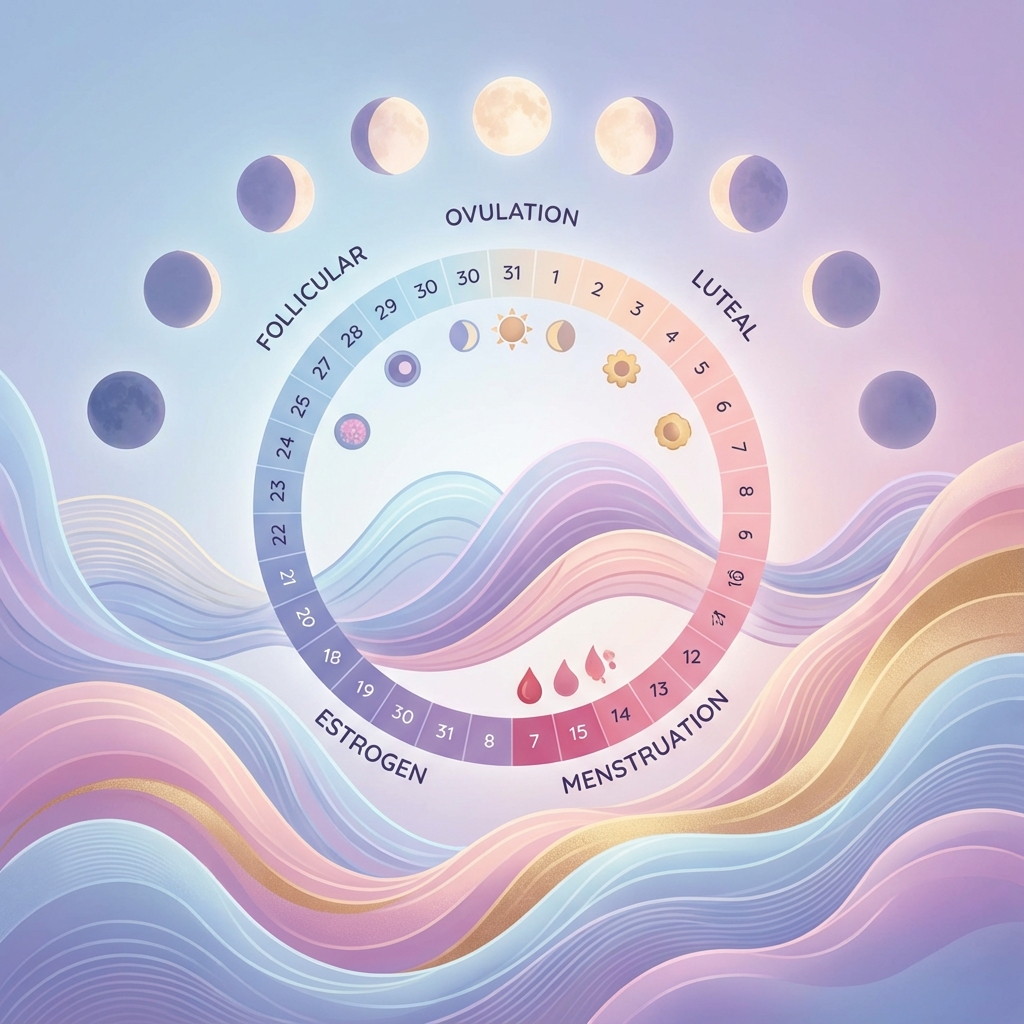
Your hormones (Estrogen, Progesterone, LH, FSH) fluctuate wildly over 28 days. These hormones affect insulin sensitivity, cortisol levels, hydration, and energy. Using the same peptide protocol on Day 2 (menstruation) as Day 14 (ovulation) may lead to inconsistent results.
What's happening: Estrogen is rising. Insulin sensitivity is generally higher. Energy levels increase towards ovulation.
Peptide Strategy: This is the best time for peptides focused on muscle growth and fat loss, like CJC-1295 or Ipamorelin. Your body is primed to build tissue. It is also a safe time to utilize GLP-1 agonists as nausea side effects tend to be lower when estrogen is dominant compared to high-progesterone phases.
What's happening: Testosterone and Estrogen peak. You feel your strongest and most energetic.
Peptide Strategy: Maximize your workouts. Recovery peptides like BPC-157 are excellent here to support high-intensity training. Be mindful of hydration, as fluid retention can start to shift.
What's happening: Progesterone becomes dominant. Body temperature rises. Metabolic rate increases, but insulin sensitivity drops. Cravings may increase.
Peptide Strategy: This is the delicate phase.
- Weight Loss Peptides: You might notice "bloating" even if you are losing fat. Don't panic. Stick to the protocol but understand the scale might not move due to water retention.
- Appetite Control: Peptides acting on satiety are most crucial here as progesterone naturally stimulates appetite.
- Sleep Support: Progesterone can induce sleepiness but also disrupts REM. Sleep-supporting peptides like DSIP (Delta Sleep Inducing Peptide) can be beneficial if discussed with your doctor.
Tracking Side Effects
Many women report that injection site reactions (redness, itching) are more common during the luteal phase when the immune system is slightly more active. By logging your injections alongside your cycle day in the PeptidesForWomen app, you can identify these patterns.
For example, if you consistently get a headache from a specific peptide on Days 24-28, it might not be the peptide itself, but its interaction with high progesterone and low estrogen withdrawal. Strategies like lowering the dose during this week can often mitigate the issue.
Summary: Sync to Swim, Don't Sink
Biohacking for women requires a different rulebook. The "go hard every day" mentality works for male physiology but can cause burnout in women. Aligning your peptide therapy with your natural rhythm is the ultimate form of self-care.
Listen to your body. If you feel exhausted during menstruation, rely on healing peptides and rest. If you feel powerful during ovulation, push the growth hormone secretagogues. Your cycle is a superpower, and your peptide protocol should honor that.