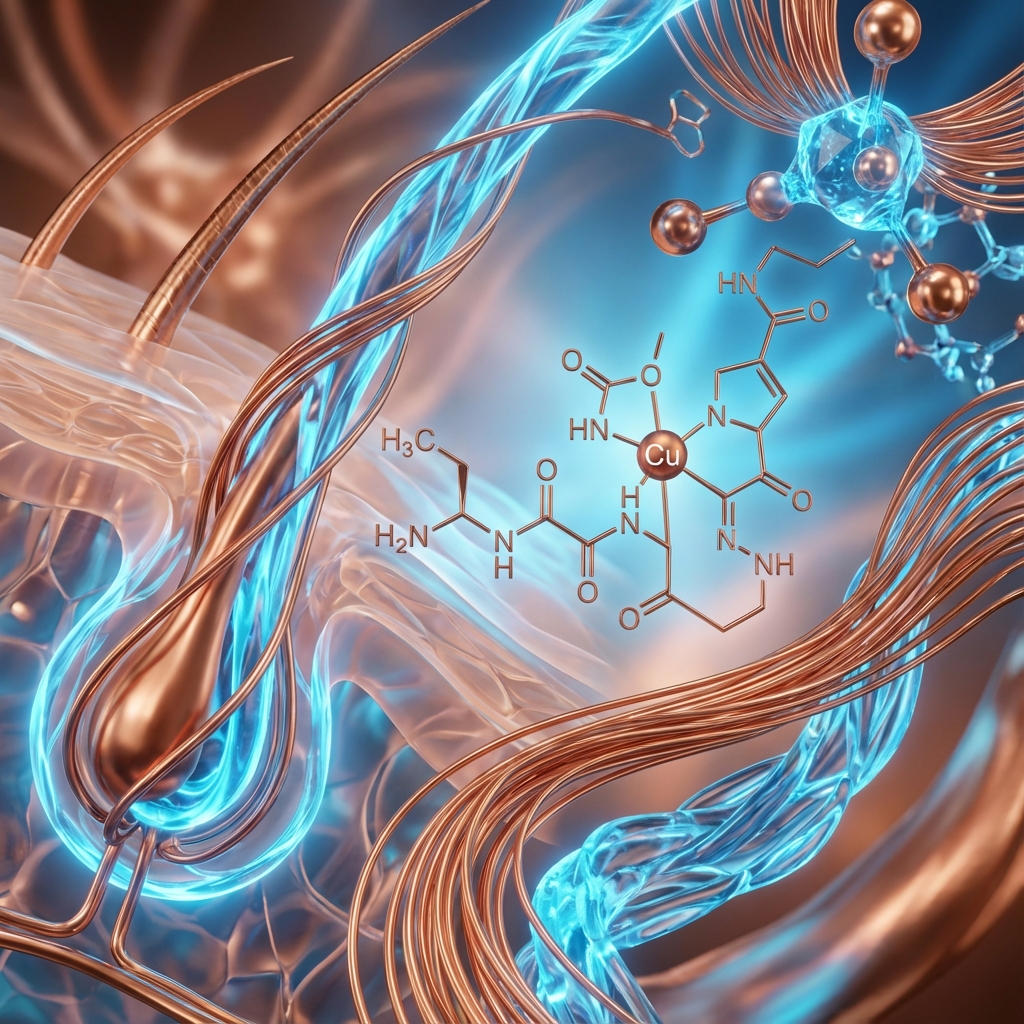
GHK-Cu: The Copper Peptide for Ageless Skin and Hair
If there is one peptide that has taken the beauty industry by storm, it is GHK-Cu (Copper Tripeptide-1). But this is far more than just a cosmetic ingredient. It is a powerful regenerative peptide found naturally in the human body.
What Happens to Our Skin as We Age?
By age 30, collagen production begins to decline. By menopause, women lose about 30% of their skin's collagen in the first five years alone. This leads to sagging, wrinkles, and that "tired" look. GHK-Cu levels in the blood also drop by more than 60% by age 60.
The Benefits of GHK-Cu Therapy
1. Collagen and Elastin Synthesis
GHK-Cu signals fibroblasts (skin cells) to ramp up production of collagen and elastin. Clinical studies have shown it to be more effective than Vitamin C and Retinol in improving skin density and reduction of wrinkle depth.
2. Hair Regrowth
For women experiencing thinning hair (androgentic alopecia or stress-related shedding), GHK-Cu is a powerful ally. It blocks the production of DHT (a hormone that shrinks hair follicles) at the scalp level and increases the size of the follicle, leading to thicker, fuller hair strands.
3. Wound Healing and Scar Reduction
Originally discovered for its wound-healing properties, GHK-Cu can significantly reduce the appearance of new scars and even help remodel older scar tissue (including acne scars) by breaking down damaged collagen and replacing it with healthy tissue.
How to Use GHK-Cu
GHK-Cu is versatile and can be used in two primary ways:
- Topical Serums (Blue Serums): GHK-Cu has a distinct deep blue color. High-concentration serums (1-3%) applied nightly can drastically improve skin texture and brightness.
- Subcutaneous Injections: For systemic anti-aging effects (and more potent hair regrowth), small daily injections are often prescribed in cycles (e.g., 30 days on, 30 days off).
The "Uglies" Phase
It is important to note: some women report a temporary "zinc depletion" when using high doses of copper peptides, which can lead to fatigue or anxiety. It is crucial to monitor zinc levels and often supplement with Zinc Picolinate to maintain the Copper/Zinc balance. Always consult your provider about this protocol.
Conclusion
GHK-Cu is more than just a beauty trend; it is a regenerative powerhouse. By restoring your body's natural peptide levels, you aren't just covering up aging—you are biologically reversing it at the cellular level.